

Signs of a Hidden Water Leak in Your Home
A plumbing leak does not always leave a puddle beneath a pipe. Sometimes the first clue is a changing water bill, a damp cabinet, or a sound you cannot explain.
Signs of a hidden water leak include an unexplained increase in water use, recurring damp spots, stains or peeling paint, musty odors, and running-water sounds when fixtures should be off. Check accessible plumbing and compare water-meter readings during a period with no water use. These clues can reveal a possible problem, but they do not locate it or prove that plumbing is the source. Persistent moisture, unexplained meter movement, or worsening damage warrants professional assessment.
Changes that may point to a hidden leak
Look for a change from what is normal in your home. A stain that gets larger or a cabinet that becomes damp again after drying deserves attention, even if no pipe is visibly dripping.
- Unexplained water use. Compare the amount of water used on recent bills, not just the dollar total. More laundry, houseguests, irrigation, or filling a pool can explain an increase; a leak is another possibility.
- Recurring dampness. Wet cabinet bottoms, damp flooring, or moisture that returns without an obvious spill can indicate a problem nearby or elsewhere in the building.
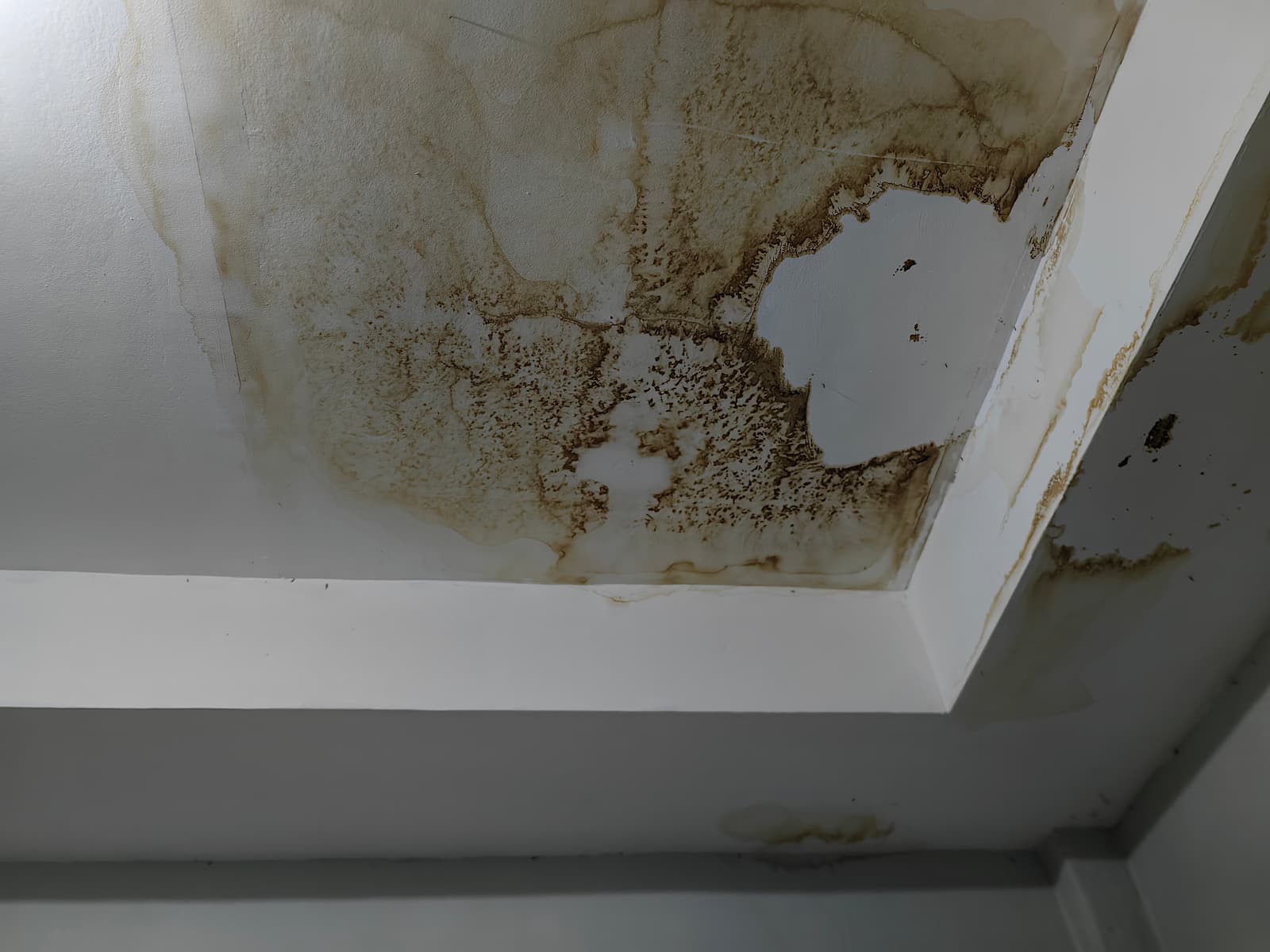
- Changes to finishes. New ceiling stains, peeling paint, or rippling wall coverings can signal water exposure. Photograph changes so you can show whether an area is spreading.
- A persistent musty odor. An odor in a cabinet or other enclosed space can point to a moisture problem, including one that is out of sight. It does not identify the source.
- Water sounds during quiet periods. Listen for dripping or a toilet refilling when nobody has flushed. First check whether an appliance or automatic system is using water normally.
A higher bill by itself is not proof of a hidden pipe leak. Check the billing dates and recorded consumption, and ask your water utility about unexplained charges or readings. HRSD identifies both leaks and changes in household use as possible reasons for unusually high water bills.
Check visible plumbing first
Before assuming a pipe behind a wall has failed, look at the areas you can safely access. The EPA’s household leak checklist includes sinks, toilets, appliances, and water heaters because the source may be easier to spot than expected.
- Look beneath kitchen and bathroom sinks for fresh droplets, pooled water, or damp cabinet surfaces.
- Check around toilets and listen for continued running or unexpected refilling.
- Look for visible water around a washing machine, dishwasher, refrigerator water connection, or water heater.
- Check outdoor faucets and accessible hose connections for dripping.
Observe without dismantling fixtures or pulling heavy appliances away from the wall. Do not enter wet areas near electrical equipment or open walls to follow a suspected leak. If water is actively spreading, move straight to arranging help.
How a water-meter check can help
If your home has an individual water meter, comparing readings can help identify water use that is otherwise easy to miss. The EPA recommends checking before and after a two-hour period when no water is being used.
- Choose a time when everyone can avoid using water for two hours.
- Make sure faucets are off and toilets have finished filling. Account for dishwashers, washing machines, ice makers, irrigation, and other automatic water users.
- Record the meter reading and the time, or take a clear photo.
- Read the meter again after the two-hour period without using water in between.
- If the reading changes, confirm that no appliance or automatic system operated. Unexplained movement suggests a possible leak that needs investigation.
Read only a meter you can safely access. Ask your utility for guidance if you are unsure how to read it; do not force a cover or operate utility-owned valves.
The result has limits. A changing meter does not show whether water is going through a toilet, an outdoor line, an appliance, or hidden plumbing. It measures water passing through the meter, not the location of a problem.
An unchanged reading means no water use was detected during that check. It does not rule out an intermittent leak or a drain leak that occurs only when a fixture is used. It also cannot explain moisture from rain or condensation.
Why the signs do not identify the source
Water on a surface does not necessarily come from the nearest pipe. Roof leaks, condensation, and plumbing leaks can produce similar visible clues. The EPA’s moisture guidance identifies all three as possible sources of moisture inside buildings.
Timing can help you describe what is happening. Does the spot appear after rain, after someone showers, or when the air conditioning is running? Record the pattern, but let an assessment establish the cause before deciding what needs repair.
For example, a ceiling stain below a bathroom is useful information, but it does not prove that a particular supply pipe has failed. Several components may be nearby. Likewise, a damp pipe surface can involve condensation rather than water escaping through the pipe.
Painting over a stain or drying a cabinet may improve its appearance without resolving the source. Persistent moisture needs attention even when the water bill stays normal.
When to call a plumber
Arrange an assessment when you find recurring dampness near plumbing, unexplained meter movement, repeated running-water sounds, or water damage that is getting worse. You do not need to locate the exact leak before scheduling a visit.
If water is actively spreading, avoid wet electrical areas and contact a plumber promptly. If you can safely reach and confidently identify your home’s water shutoff, turning it off can limit further water from a plumbing supply leak. Do not force a stuck valve.
For the appointment, gather photos, recent water-use records, any meter readings, and a short note about when the symptoms appear. Explain what you have observed without assuming a particular pipe or fixture is responsible.
Smith & Keene provides water leak repair for homeowners in Hampton Roads. Contact our plumbing team to arrange an assessment of a suspected leak and discuss the appropriate repair.