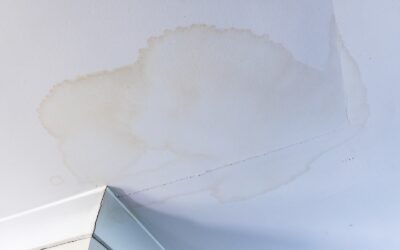


A drain that backs up again can leave you wondering what is happening beyond the opening you can see. For Hampton Roads homeowners, a sewer camera inspection can help bring that hidden problem into view.
A sewer camera inspection can reveal visible obstructions, roots inside the line, and pipe defects within accessible sections of drain or sewer piping. It helps a plumber evaluate what may be contributing to recurring trouble, but it does not clear a blockage, repair damage, or guarantee that every defect or leak will be found. What the camera can show depends on access, visibility, and how far it can travel.
How a Sewer Camera Inspection Works
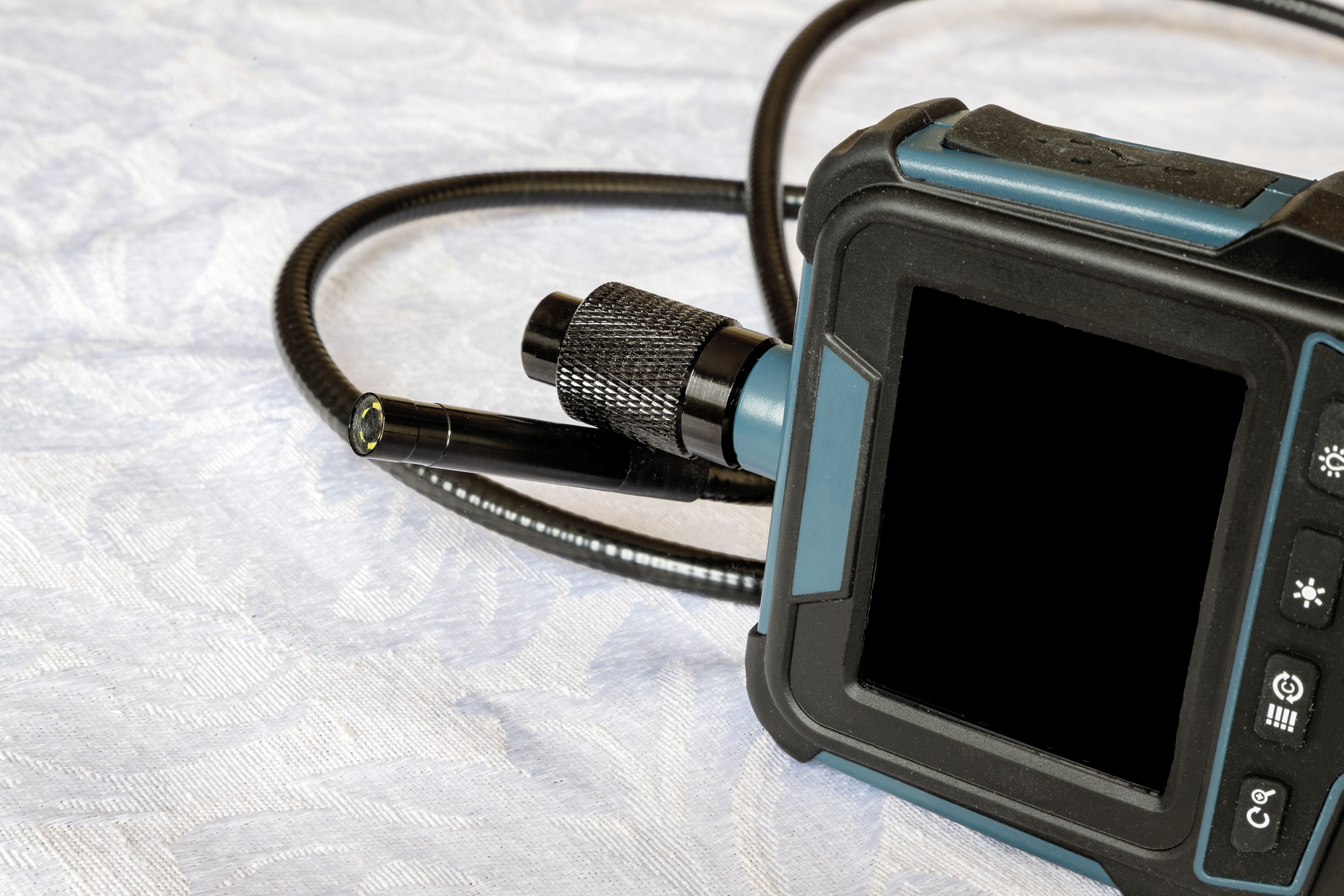
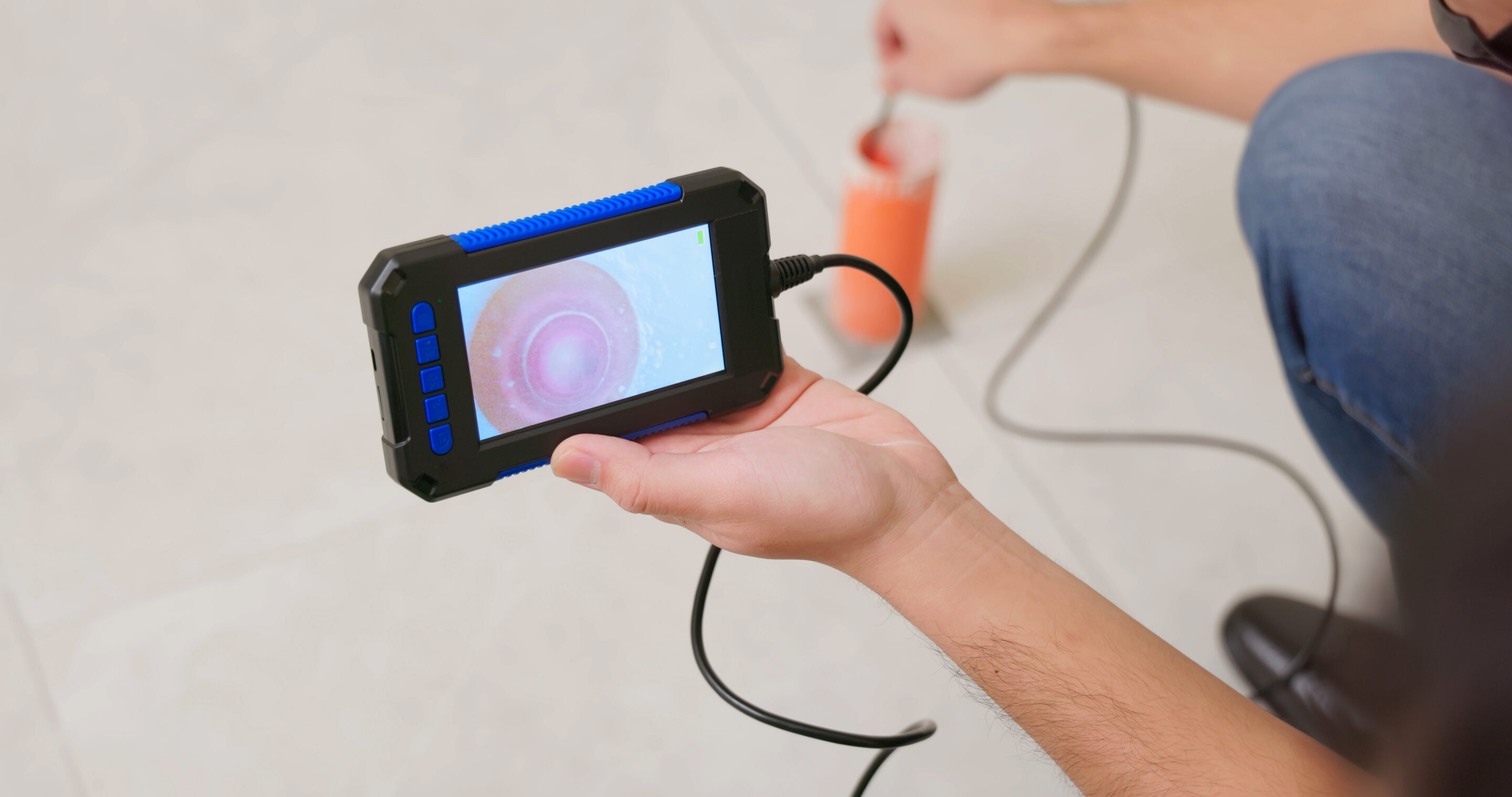
A plumber guides a small camera into an accessible drain or sewer pipe and watches the images on a monitor. Lighting on the camera helps illuminate the pipe interior, giving the plumber a view of areas that would otherwise be hidden.
The equipment must suit the piping being inspected. RIDGID’s inspection-camera information, for example, describes different systems for different pipe sizes, distances, and turns. Those differences help explain why an inspection’s reach depends on the equipment and the route through the pipe.
Before the visit, note which fixtures are affected, how often the problem returns, and whether previous cleaning helped. That history gives the plumber context for interpreting the images rather than treating a picture as the whole diagnosis.
Problems the Camera May Reveal
Visible obstructions are one possible finding. Material inside the line may narrow the available opening or block the camera’s path. The images can help the plumber discuss what is visible and whether cleaning or another step is needed before evaluating the rest of the pipe.
Root intrusion is another possibility. This means roots have entered the pipe interior. When roots appear in the footage, the plumber can explain what was seen and whether further evaluation is needed to understand the affected area.
Roots are only one potential finding, however. A recurring backup does not establish that roots are responsible. Smith & Keene’s article on tree root damage covers that subject separately; the purpose of an inspection is to examine the actual conditions rather than assume a cause.
A camera may also reveal visible pipe defects, such as apparent cracks, damaged sections, or joints that no longer appear aligned. A joint is the connection between sections of pipe. Findings like these need professional interpretation, especially when the view is incomplete.
The useful question is how the visible condition relates to your plumbing problem. Ask the plumber to distinguish what the image clearly shows from what still needs investigation. An obstruction and an underlying pipe defect may require different next steps.
What the Camera Cannot Confirm
A camera inspection provides visual evidence from inside the sections reached. It cannot guarantee that every defect is visible or establish that the entire system is leak-free. A clear-looking section should not be treated as proof that inaccessible areas are also in good condition.
Footage also does not automatically explain every symptom. Slow drainage, gurgling, and repeat backups can have different causes. The plumber needs to consider the images alongside your description of the problem and any other appropriate checks.
Inspection is separate from cleaning and repair. Seeing an obstruction does not remove it, and identifying damaged piping does not restore it. Ask which proposed work addresses the immediate blockage and which work, if any, addresses the condition that may be contributing to repeat problems.
Likewise, recording and sharing options vary. Ask what documentation is included with your appointment instead of assuming you will receive a video file, a written report, or both.
What Can Limit Visibility or Access
The camera needs a usable entry point and a route it can navigate. Pipe size, bends, and the distance to the area of concern can affect how much of the line can be inspected. A camera that reaches one section may not be able to examine every connected branch.
Conditions inside the pipe matter, too. Water, buildup, or debris can obscure the view, while an obstruction may prevent the camera from moving farther. In those circumstances, the footage may answer some questions while leaving others unresolved.
The plumber may recommend cleaning or another access approach before continuing the inspection. The order depends on the situation; there is no single sequence that fits every drain problem. Ask which areas were actually viewed and which could not be assessed.
Questions to Ask About the Findings
You should finish the discussion understanding the evidence and the recommended next step. Keep these questions handy when reviewing the results:
- What did you clearly see, and what remains uncertain?
- Where is the area of concern, and how was its location determined?
- How much of the line did you inspect, and were any sections inaccessible or obscured?
- Do the findings help explain the symptoms I reported?
- Are you recommending cleaning, further inspection, repair, or another assessment, and why?
- What documentation is included, and what should I watch for afterward?
Before approving additional work, ask the plumber to explain its scope and how it relates to the findings. Understanding what each step is intended to accomplish makes the recommendation easier to evaluate.
If sewer or drain problems keep returning, contact Smith & Keene to ask whether a sewer camera inspection is appropriate for your Hampton Roads home. Describe the affected fixtures and previous attempts to resolve the issue so the team can help determine the next step.